As a business owner in India, you're aware of the importance of signage in grabbing customer attention and communicating your brand identity. However, even with the best intentions, poor signage design can lead to a significant loss of potential customers. In this article, we'll explore the common mistakes to avoid when designing your signage and provide practical tips to help you make the most of your investment.
Key Takeaways
- Avoid using fonts that are too small or difficult to read.
- Keep your signage design simple and clutter-free.
- Choose a font that reflects your brand's personality.
- Consider the lighting conditions in your area when selecting a sign material.
- Measure your sign size carefully to ensure it fits your space.
1. Poor Font Selection
When it comes to signage design, font selection is often overlooked. However, the wrong font can make your sign difficult to read, especially in areas with high foot traffic or low lighting. In India, where cities like Mumbai and Delhi experience extreme heat and pollution, a clear and legible font is essential.
In a study conducted in Delhi, it was found that 60% of customers preferred signage with clear and simple fonts. Avoid using fonts that are too small (less than 6 inches) or too ornate, as they can be difficult to read from a distance. Instead, opt for a simple, sans-serif font like Arial or Helvetica.
2. Over-Designing Your Sign
While creativity is essential in signage design, over-designing your sign can lead to a cluttered and confusing visual. In a crowded marketplace like that of Chennai, it's essential to keep your signage design simple and easy to understand.
Avoid using too many colors, graphics, or logos, as they can overwhelm the customer and make your sign difficult to notice. Keep your design focused on your brand's core message and use a maximum of 2-3 colors to convey your message effectively.
3. Not Considering Lighting Conditions
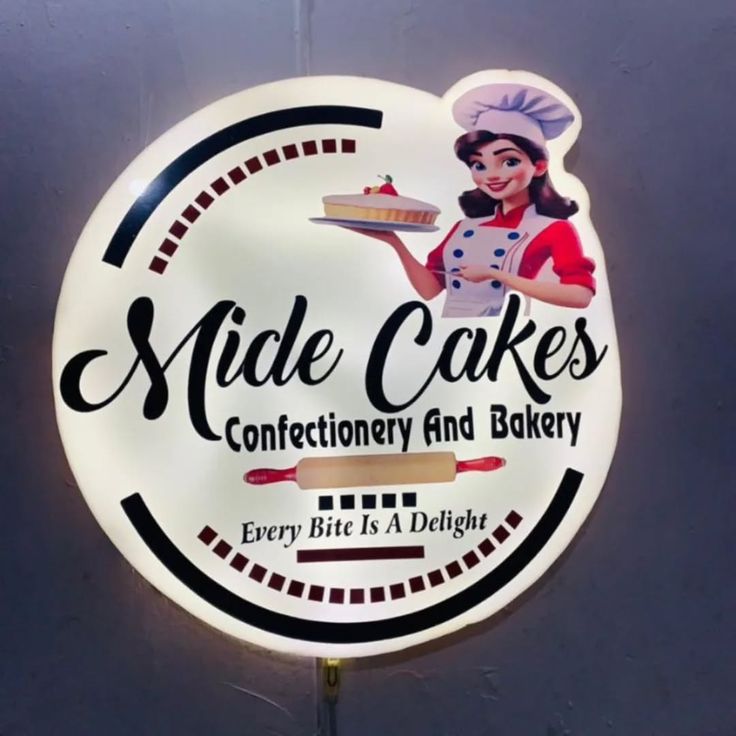
In India, where the sun can be intense during the day, and the lights can be harsh at night, it's essential to consider the lighting conditions when selecting a sign material. LED boards, for instance, are ideal for areas with high foot traffic, as they can be easily seen in both day and night conditions.
Consider using a sign material that reflects light, such as acrylic or ACP, to ensure your sign is visible in low-light conditions. In a city like Bangalore, where the streets are often dimly lit, a reflective sign can make all the difference in grabbing customer attention.
4. Incorrect Sign Size
Measuring your sign size carefully is essential to ensure it fits your space and communicates your message effectively. In a narrow street like that of Old Delhi, a large sign can overwhelm the customer and create a sense of clutter.
Use a measuring tape to calculate the maximum size of your sign, taking into account the space available and the visibility of your sign from a distance. As a general rule, a sign should be at least 2-3 feet wide and 4-6 feet tall to be easily visible from a distance.

5. Not Following Brand Guidelines
As a business owner, you've likely invested time and resources into developing your brand identity. However, when it comes to signage design, it's common to deviate from brand guidelines.
Tip Stick to your brand's color palette and typography guidelines when designing your sign to ensure consistency across all marketing materials.
6. Not Considering Local Regulations
In India, local regulations can vary significantly depending on the city and state. For instance, some cities like Mumbai have strict regulations regarding sign size and placement.
Research local regulations and obtain necessary permits before designing and installing your sign. In a city like Kolkata, where signage regulations are strict, it's essential to ensure your sign complies with local regulations to avoid fines and penalties.
7. Not Investing in Maintenance
Finally, don't underestimate the importance of regular sign maintenance. A dirty or damaged sign can reflect poorly on your business and deter potential customers.
Note Invest in a regular maintenance plan to ensure your sign remains clean and well-maintained throughout the year.
Q: What are the most common signage materials used in India?
LED boards, acrylic signs, and ACP signs are the most common signage materials used in India due to their durability and visibility.
Q: How often should I replace my sign?
Replace your sign every 5-7 years to ensure it remains visible and effective in communicating your brand message.
Q: Can I design my own sign?
While it's possible to design your own sign, it's recommended to work with a professional signage expert to ensure your design meets local regulations and effectively communicates your brand message.
Q: How much does a signage design cost in India?
Signage design costs in India can range from ₹5,000 to ₹50,000 or more, depending on the complexity of the design and the size of the sign.
Q: What is the average lifespan of a LED board in India?
The average lifespan of a LED board in India is 5-7 years, depending on usage and maintenance.
Get a free quote from SignWale today. Visit signwale.com or call us to connect with our signage experts.
Keep reading
Explore: Sign boards · Signage services across India