
When setting up a business in India, navigating the complex landscape of sign board permissions and municipal rules can be overwhelming. As a business owner, you want to ensure that your signage is compliant with local regulations, yet also effectively communicates your brand's message to potential customers. In this article, we'll guide you through the key takeaways and provide practical advice on obtaining sign board permission and adhering to municipal rules in India.
Key Takeaways
- Sign board permission is mandatory in India, and non-compliance can result in fines or even the removal of your signage.
- Each state and city in India has its own set of sign board regulations, so it's essential to familiarize yourself with local laws.
- Effective communication with your local authorities and signage experts can help ensure a smooth sign board installation process.
- You'll need to provide specific documentation, such as a business license and NOC (No Objection Certificate), to obtain sign board permission.
- SignWale, India's leading signage company, can assist you in navigating the sign board permission process and ensuring your signage meets local regulations.
Understanding Sign Board Regulations in India
Sign board regulations in India vary from state to state and city to city. For instance, in Delhi, the Municipal Corporation of Delhi (MCD) regulates sign boards, while in Mumbai, the Brihanmumbai Municipal Corporation (BMC) is responsible. To obtain sign board permission, you'll need to familiarize yourself with local laws and regulations.
In most cities, sign boards are subject to the following regulations:
- Maximum size and height restrictions (e.g., in Delhi, sign boards cannot exceed 10 feet in height)
- Material and design restrictions (e.g., neon signs are often prohibited in residential areas)
- Placement restrictions (e.g., sign boards cannot be installed near traffic signals or pedestrian crossings)
- Sign board maintenance and replacement requirements

Documenting Your Sign Board Permission
To obtain sign board permission, you'll need to provide specific documentation, including:
- A business license issued by the relevant state or local government
- A NOC from the local authorities, confirming that your sign board meets local regulations
- Architectural plans and designs for your sign board, including materials and dimensions
- Proof of ownership or lease agreement for the premises where the sign board will be installed

Working with Signage Experts
As a business owner, it's essential to work with a reputable signage company that understands local regulations and can guide you through the sign board permission process. SignWale, India's leading signage company, has extensive experience in designing and installing sign boards that meet local regulations. Our team of experts will help you navigate the sign board permission process, ensuring that your signage is compliant with local laws and effectively communicates your brand's message to potential customers.
Common Sign Board Mistakes to Avoid
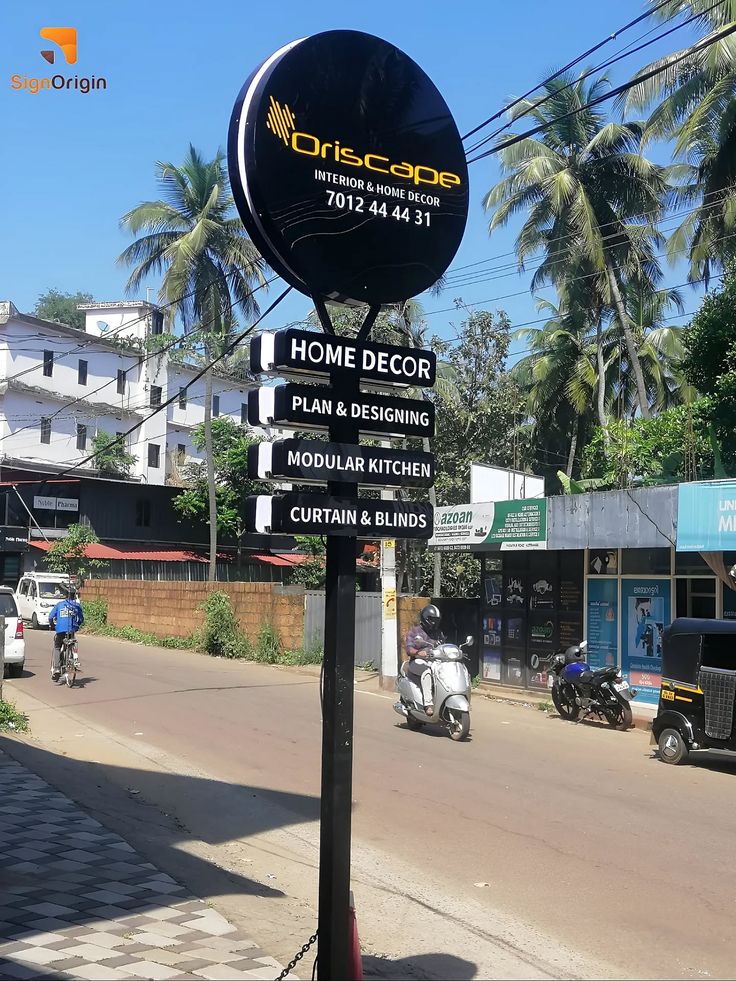
When designing and installing sign boards, it's essential to avoid common mistakes that can result in fines or even the removal of your signage. Here are a few tips to keep in mind:
- Ensure that your sign board is designed and installed in compliance with local regulations.
- Use high-quality materials and durable designs to ensure that your sign board withstands various weather conditions.
- Regularly maintain and replace your sign board to ensure that it remains effective and compliant with local regulations.

Practical Tips for Sign Board Installation
Here are a few practical tips to keep in mind when installing your sign board:
- Choose a location for your sign board that is easily visible to potential customers, such as near the entrance of your business.
- Consider using LED boards or digital displays to create a dynamic and eye-catching sign board.
- Ensure that your sign board is well-lit and easily readable, especially in low-light conditions.
Frequently Asked Questions
Q: Do I need to obtain sign board permission for all types of sign boards?
A: Yes, you'll need to obtain sign board permission for all types of sign boards, including LED boards, ACP signs, acrylic signs, neon signs, 3D letters, digital displays, and video walls.
Q: How long does the sign board permission process typically take?
A: The sign board permission process can take anywhere from a few days to several weeks, depending on the complexity of the application and the responsiveness of local authorities.
Q: What documents do I need to provide to obtain sign board permission?
A: You'll need to provide a business license, NOC, architectural plans, and proof of ownership or lease agreement for the premises where the sign board will be installed.
Q: Can I install a sign board without obtaining permission?
A: No, installing a sign board without obtaining permission is illegal and can result in fines or even the removal of your signage.
Q: How much does sign board permission cost?
A: The cost of sign board permission varies depending on the location and complexity of the application, but it can range from ₹5,000 to ₹50,000 or more.
Conclusion
Obtaining sign board permission and adhering to municipal rules in India can be a complex and time-consuming process, but it's essential for ensuring that your signage is compliant with local regulations and effectively communicates your brand's message to potential customers. By working with a reputable signage company like SignWale and following the guidelines outlined in this article, you can ensure a smooth sign board installation process and avoid common mistakes that can result in fines or even the removal of your signage.
Get a free quote from SignWale today. Visit signwale.com or call us to connect with our signage experts.
Keep reading



Explore: Sign boards · Signage services across India