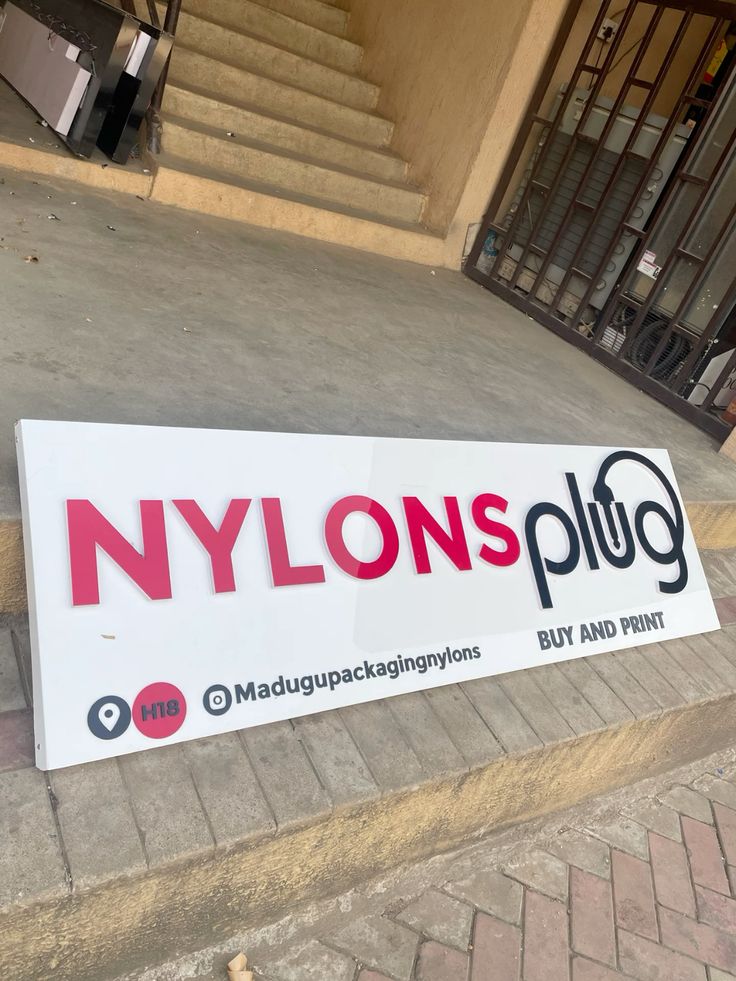
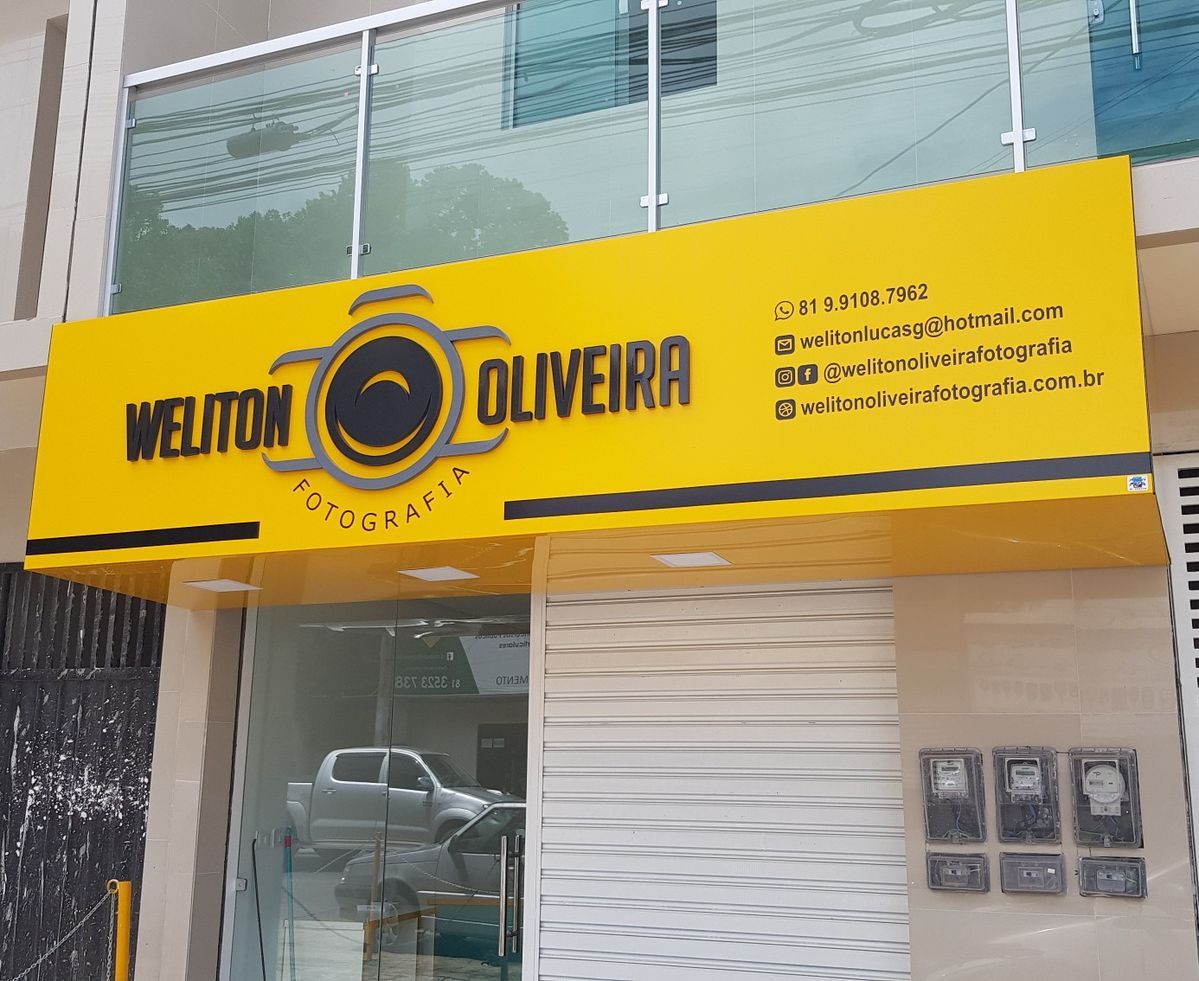
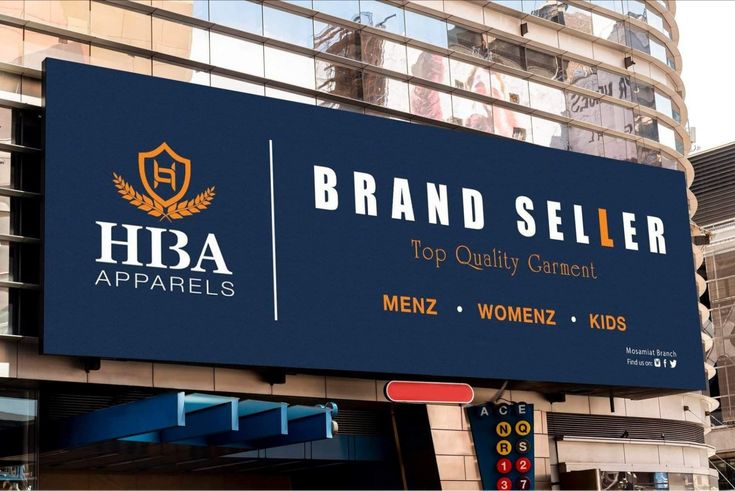
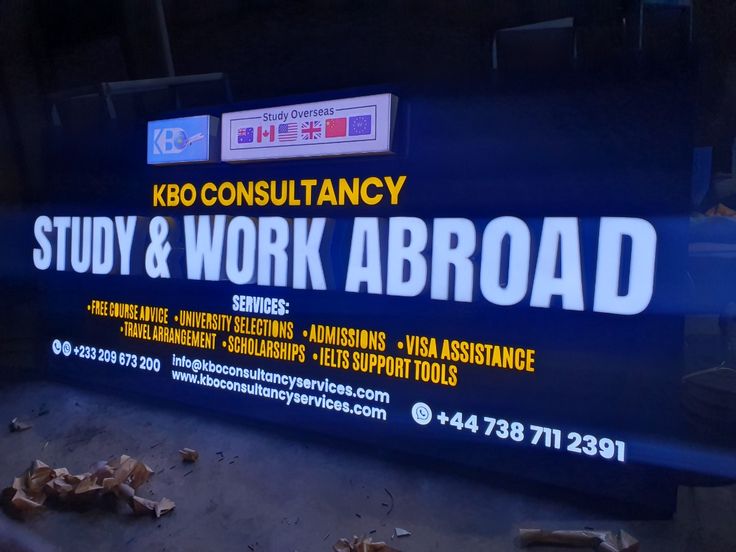
Acrylic signage combines clean visual quality with durable fabrication options, making it ideal for retail, corporate, and architectural branding. Use the guide below to compare materials, production methods, lighting options, and installation approaches.
Planning Essentials
Product Overview and Design Preparation
Begin by selecting the right acrylic type and defining artwork standards before fabrication starts.
Material TypesCast acrylic (best for engraving) vs. extruded acrylic (cost-effective for simple cuts).
Thickness OptionsStandard gauges depending on application (e.g., 3mm for small displays, 5mm-10mm for large architectural signs).
Finish VariationsClear, frosted, opaque, gloss, matte, and mirrored.
Physical PropertiesUV resistance, weatherproofing, and impact tolerance compared to glass.
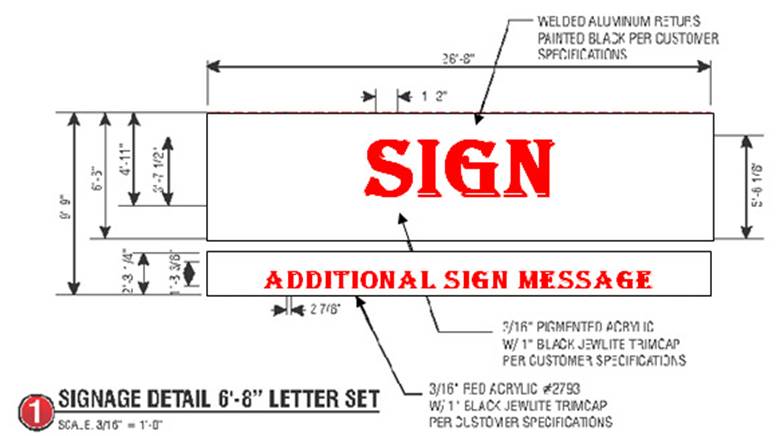
Digital FormatsVector graphics requirements (SVG, DXF, EPS, AI) for precise machine paths.
TolerancesMinimum stroke widths for intricate logos or typography to prevent snapping.
Layering StrategySingle-layer flat cutouts vs. stacked multi-layer designs for added depth.
Production and Lighting
Fabrication, Machining, and LED Integration
Choose machining and illumination methods based on thickness, edge quality, and brand finish requirements.
Laser CuttingProvides highly precise cuts with naturally flame-polished, clear edges.
CNC RoutingBetter suited for thicker boards, specific edge profiling (like bevels), or pocketing.
Engraving and EtchingRastering surfaces to create textured branding or to catch light.
Edge-Lit SetupChanneling LED strips through the edges so the light catches only the etched/engraved areas.
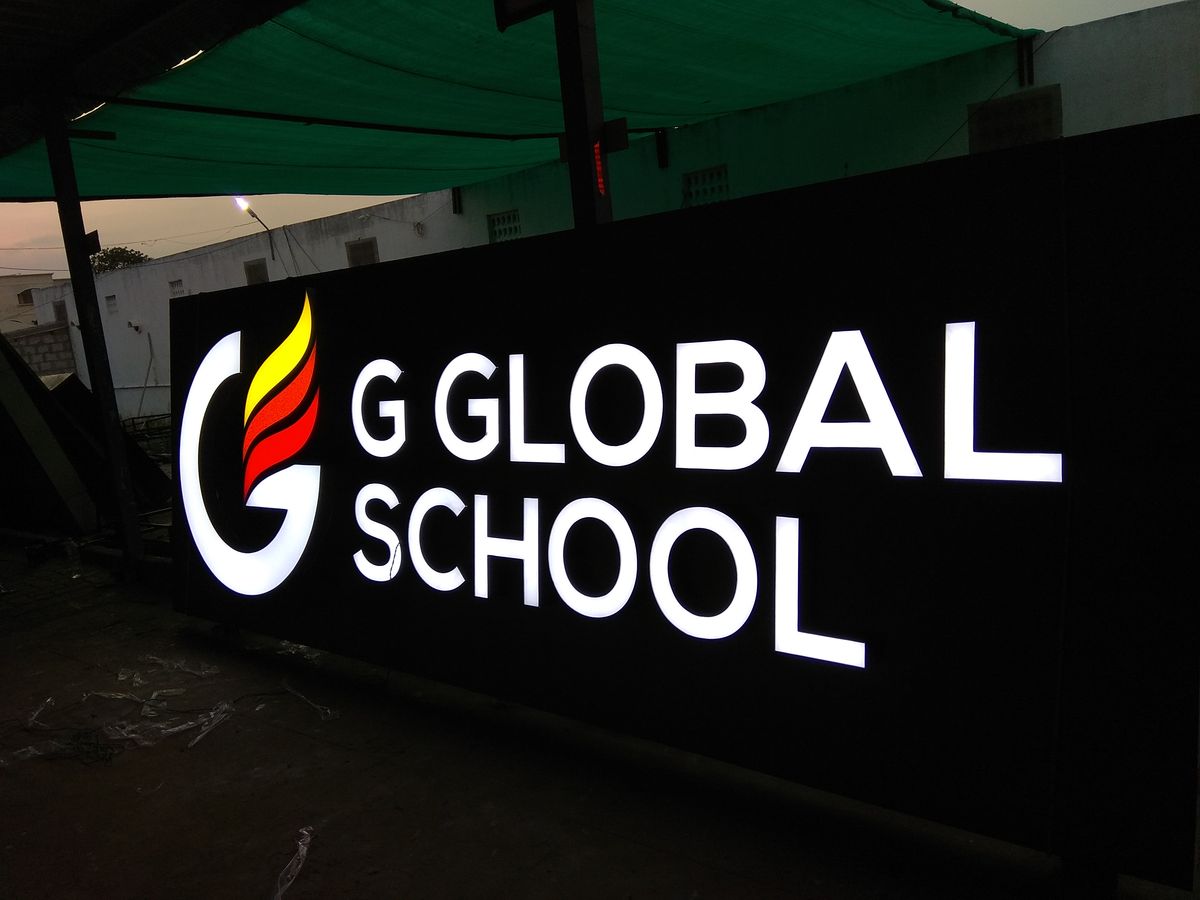
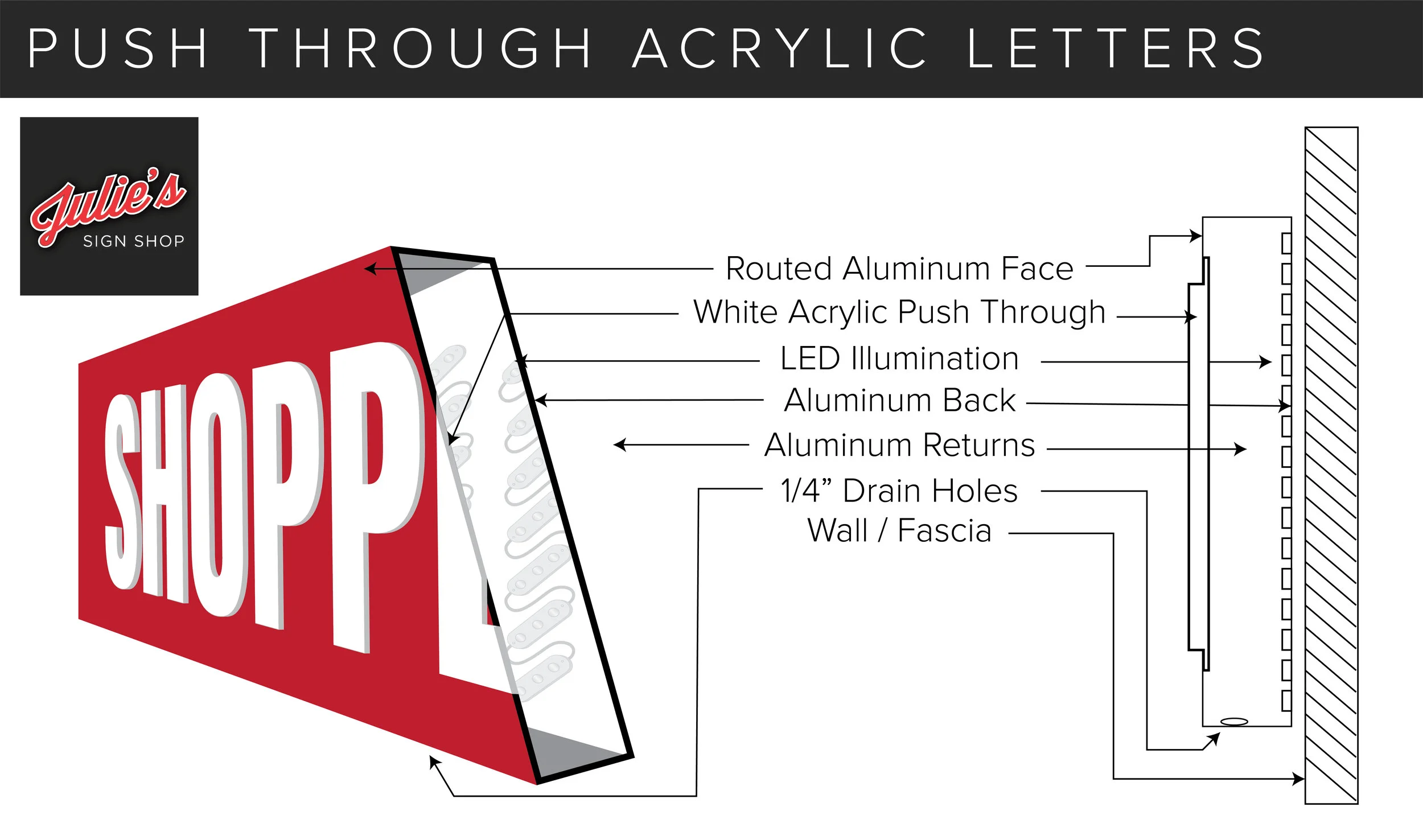
BacklightingUsing translucent or frosted acrylic as a diffusion panel for uniform light distribution behind the board.
Halo LightingMounting opaque 2D cutouts with LEDs hidden behind them to cast light onto the wall.
Application and Installation
Surface Finishing, Mounting, and Commercial Use
Final finishing and mounting hardware determine both appearance quality and long-term reliability in real installations.
Vinyl ApplicationApplying cut-color or digitally printed vinyl graphics to the face or back of the board.
Direct UV PrintingPrinting high-resolution, full-color designs directly onto the acrylic substrate.
Custom PaintingApplying Pantone-matched spray finishes for strict brand consistency.
Standoff HardwareAluminum or stainless steel barrel mounts to create a modern, floating effect off the wall.
Flush MountsHidden bracket systems or French cleats for a seamless look.
Adhesive SolutionsHigh-bond double-sided tape (VHB) or structural silicone for lightweight, non-destructive indoor mounting.
Corporate SpacesReception area branding, directory boards, and office wayfinding.
Retail EnvironmentsPoint-of-purchase (POP) displays, illuminated storefront lettering, and promotional stands.
Integrated and Smart SignageHousing hardware like automated brightness controllers, proximity sensors, or embedded logic for dynamic lighting.